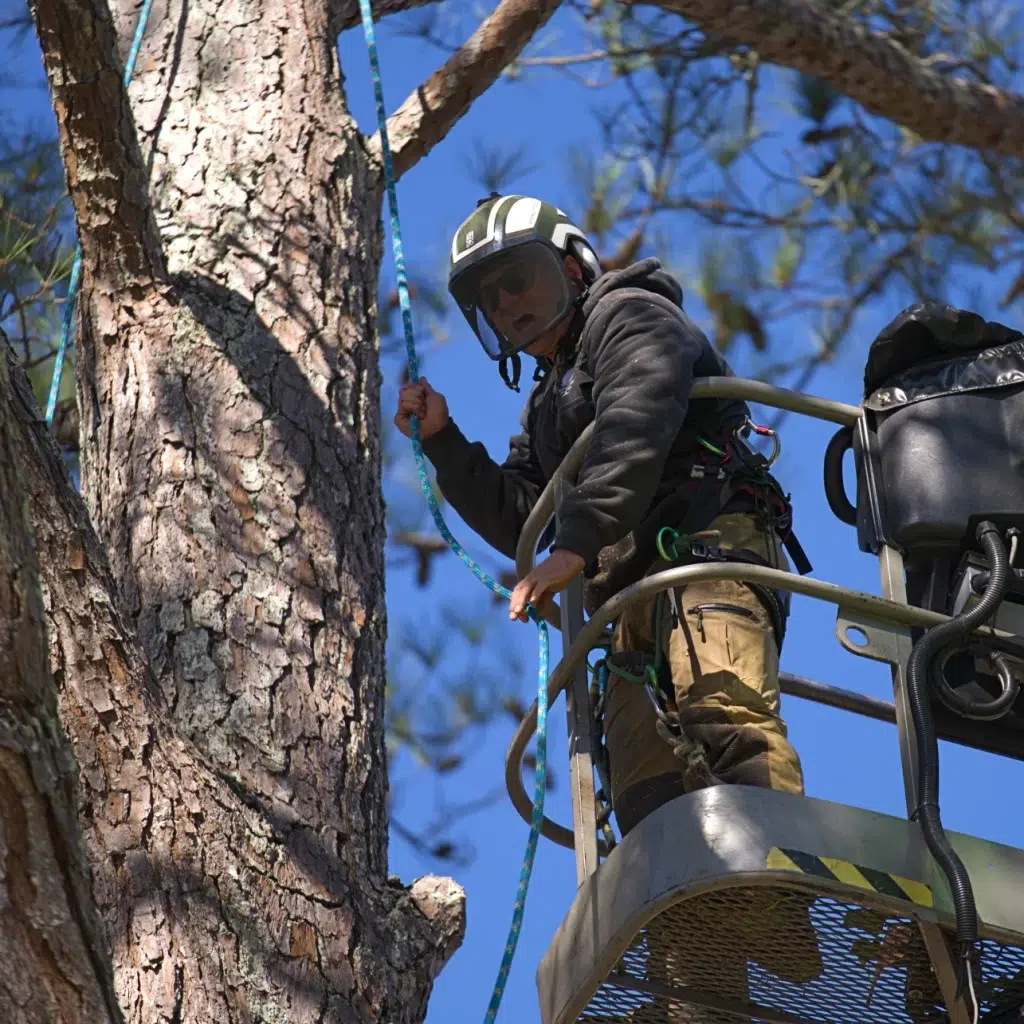
One of the area's most complete tree trimming and pruning services in Forsyth, GA, all under one crew.
Tree Trimming in Forsyth, GA
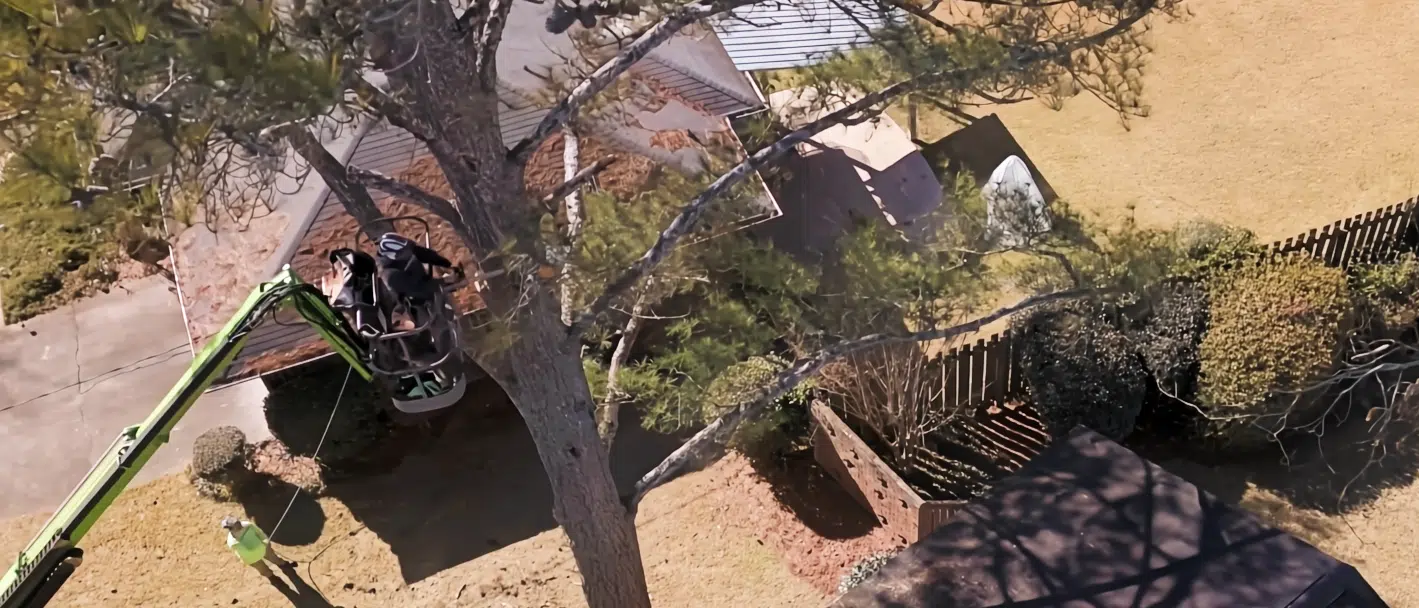
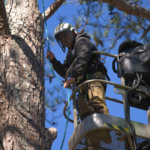
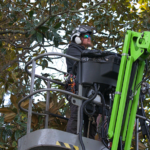
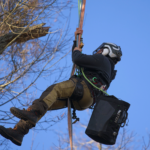
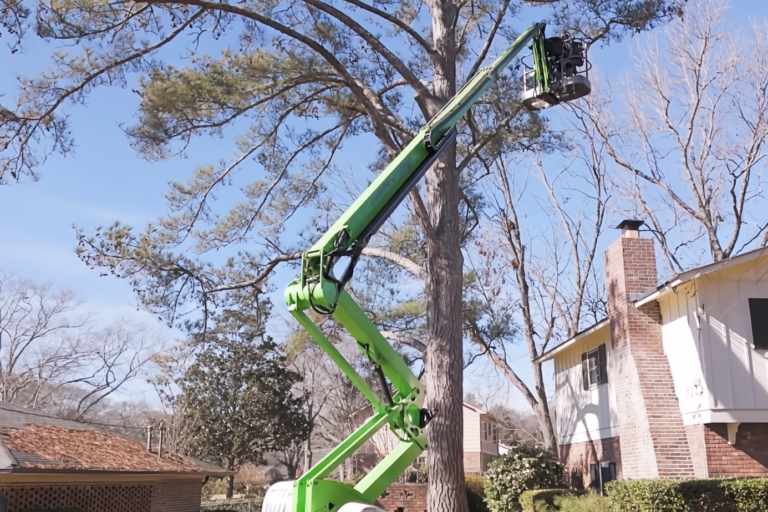
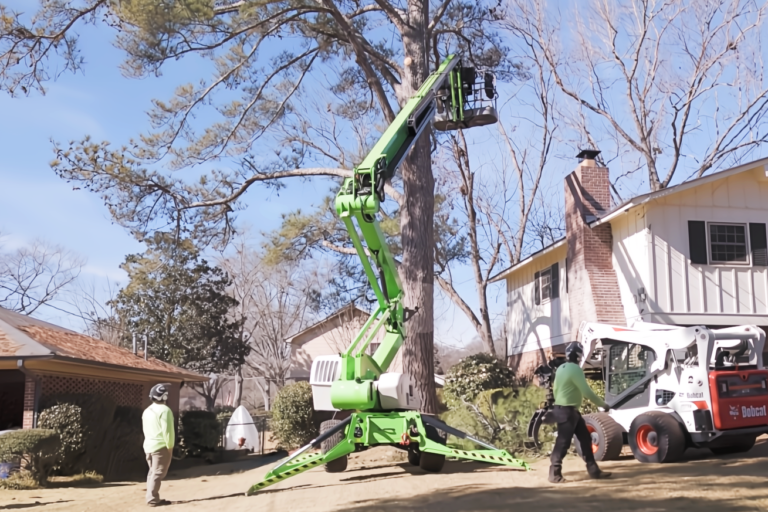
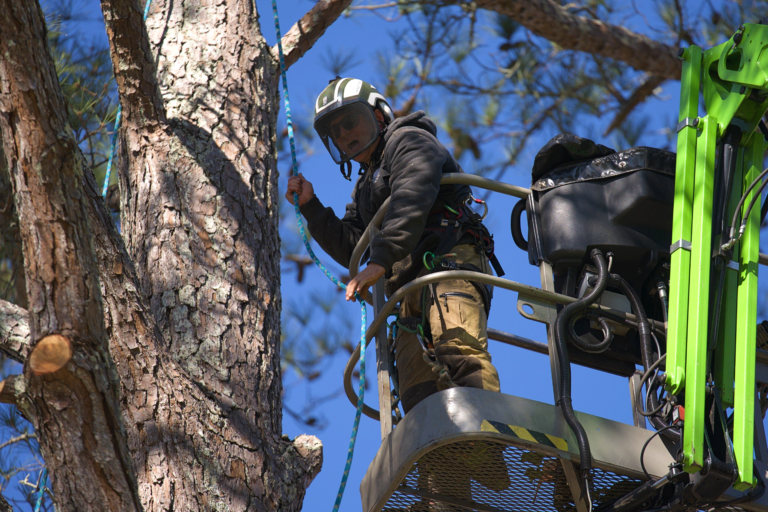
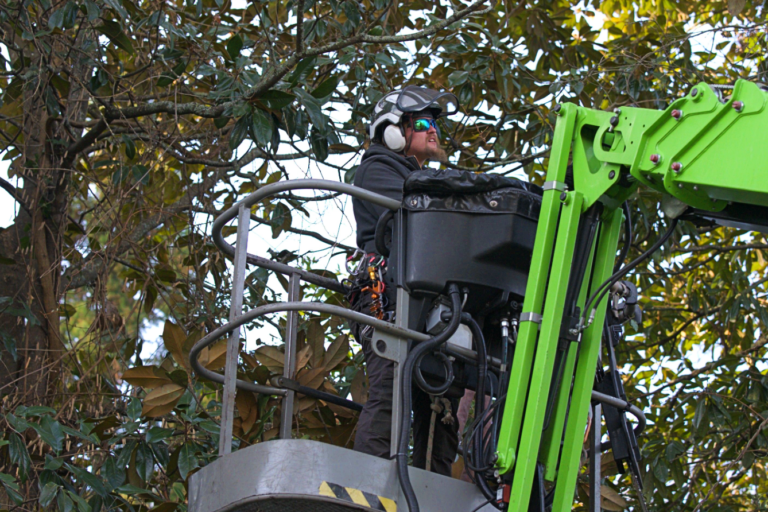
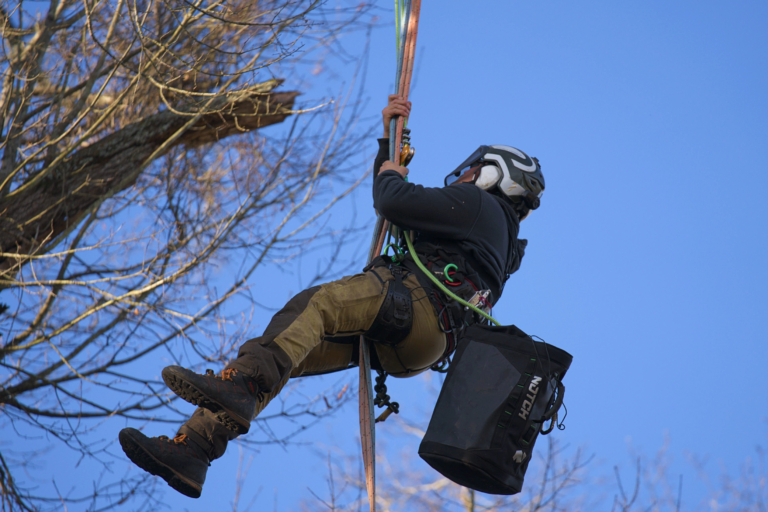
STS in Action!
Why Trimming and Pruning Matter in Forsyth, GA
Trimming generally means shaping a tree: cutting back overgrown branches for clearance, appearance, or safety. Pruning is more targeted, removing dead, damaged, or diseased limbs to protect the health of the tree itself. Most visits from a tree trimming service involve some of both, and the right mix depends on the tree’s condition rather than a fixed schedule.
Reviews & Testimonials








Frequently Asked Questions
What is the difference between tree trimming and tree pruning in Forsyth, GA?
Trimming shapes a tree for clearance, appearance, or safety. Pruning targets dead, damaged, or diseased limbs to protect the tree’s health. Most visits involve a mix of both.
How much does tree trimming and pruning cost in Forsyth, GA?
Cost depends on the number of trees, their size, and how much access the crew has. A walkthrough and estimate give an accurate number for a specific property.
When is the best time of year to trim or prune trees in Georgia?
Late fall through winter, while trees are dormant, is generally the best window for structural trimming. Damaged or hazardous limbs get addressed right away, regardless of season.
How often should trees be trimmed or pruned on a Forsyth, GA, property?
Frequency depends on the species and the tree’s condition rather than a fixed calendar.
Can improper tree trimming damage or kill a tree in Georgia's climate?
Yes. Removing too much of the canopy at once, generally more than about 30 percent, or making poor cuts, can stress a tree enough to weaken or kill it. Correct technique matters as much as the trim itself.
Does tree trimming near power lines in Forsyth, GA, require a certified arborist?
It isn’t always legally required for homeowners, but it’s strongly recommended given the risk, and utility companies often handle limbs directly touching their lines.
Which common Georgia trees require the most frequent trimming and pruning?
Fast-growing or brittle species like Bradford pear, water oak, sweetgum, and pine tend to need more frequent attention than slower-growing hardwoods.
Subscribe to Our Newsletter
Be the first to receive special offers and tree care tips!
You will receive monthly communications from Southern Tree Solutions by submitting your email address.