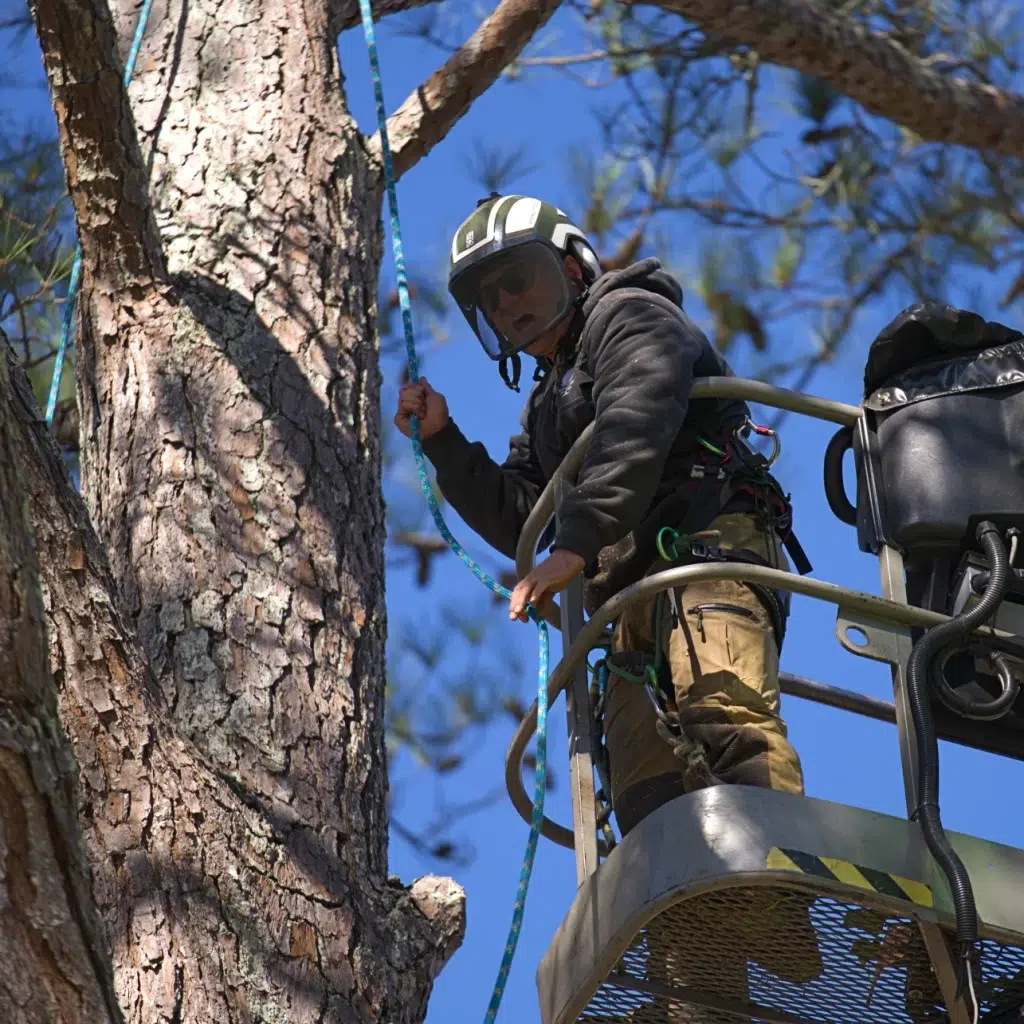
For trees too large, too tall, or too close to a structure to be brought down any other way.
Tree Crane Service in Forsyth, GA
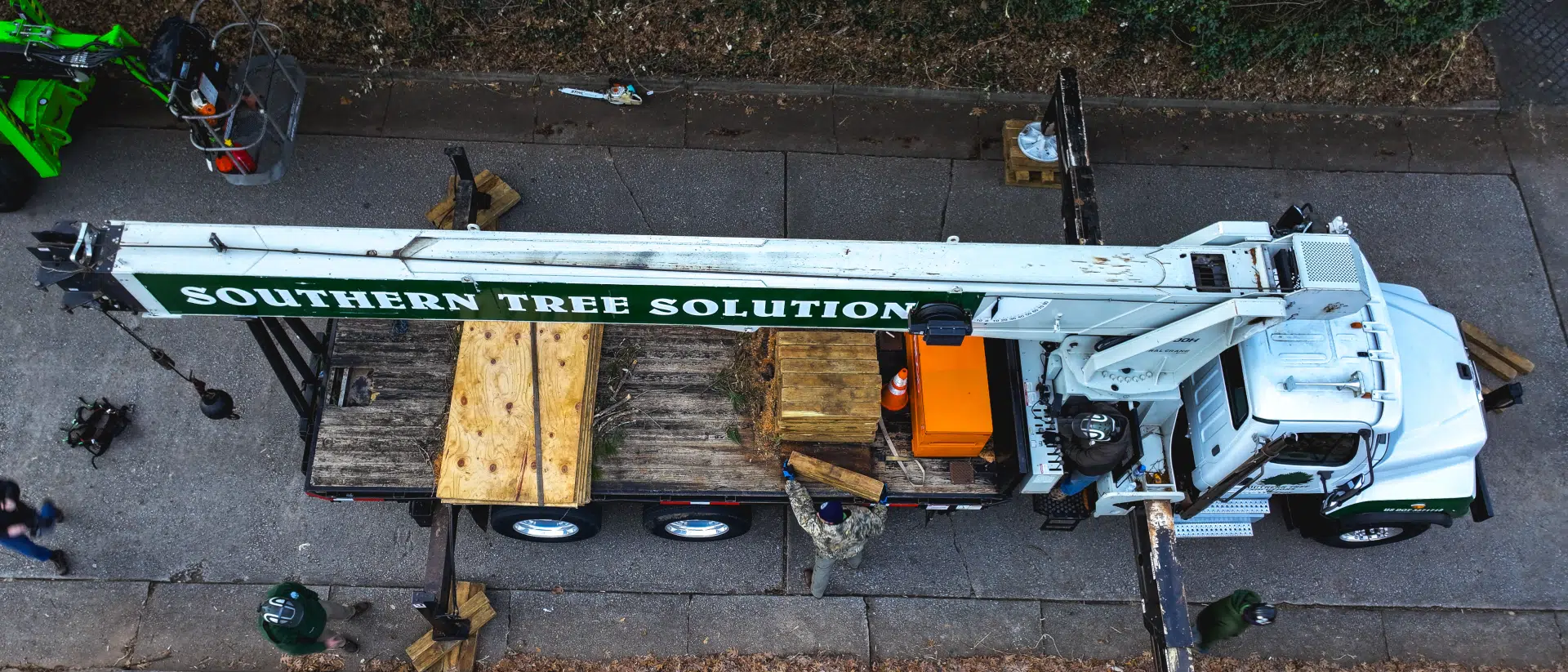
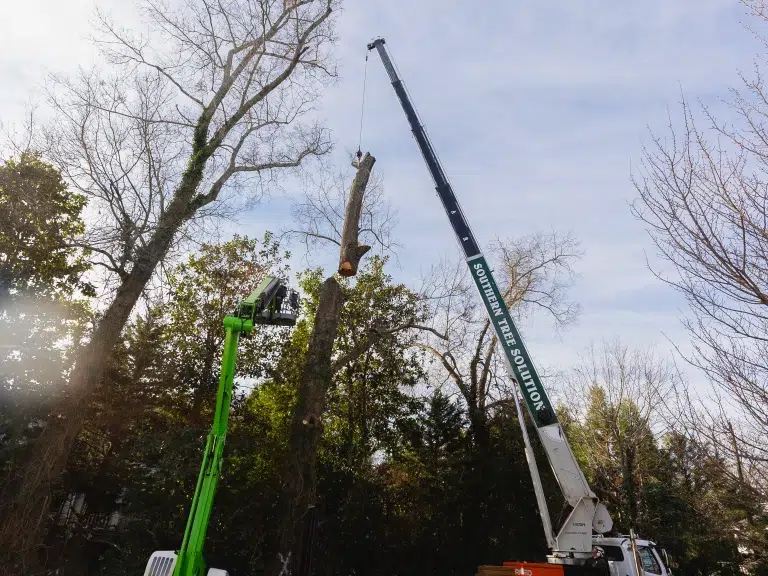
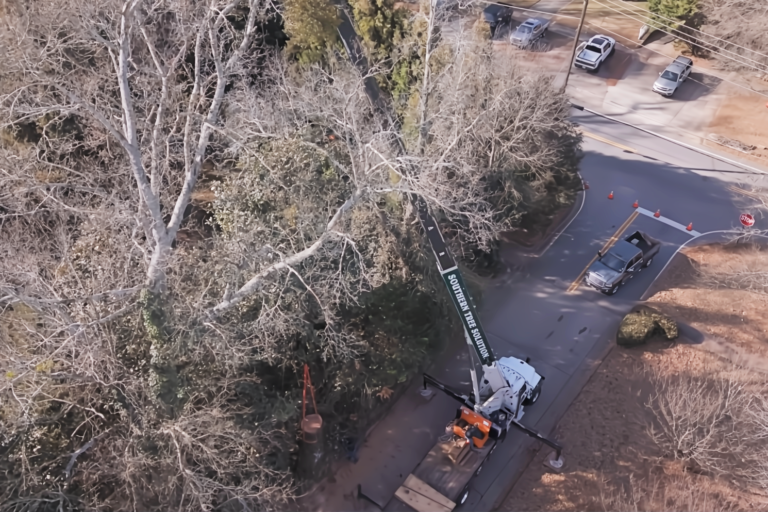
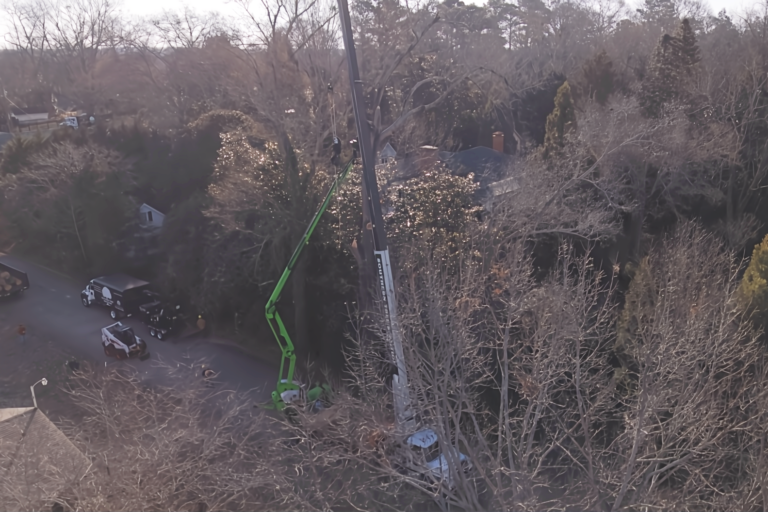
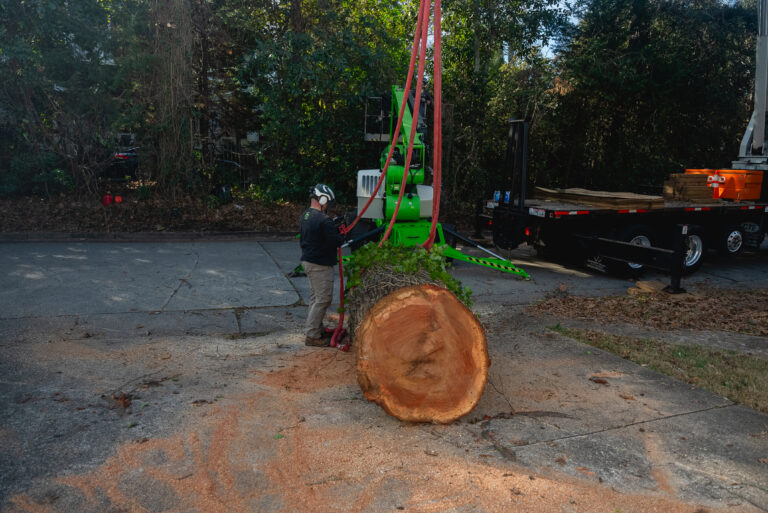
STS in Action!
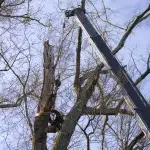
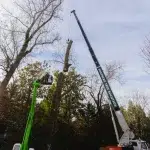
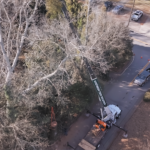
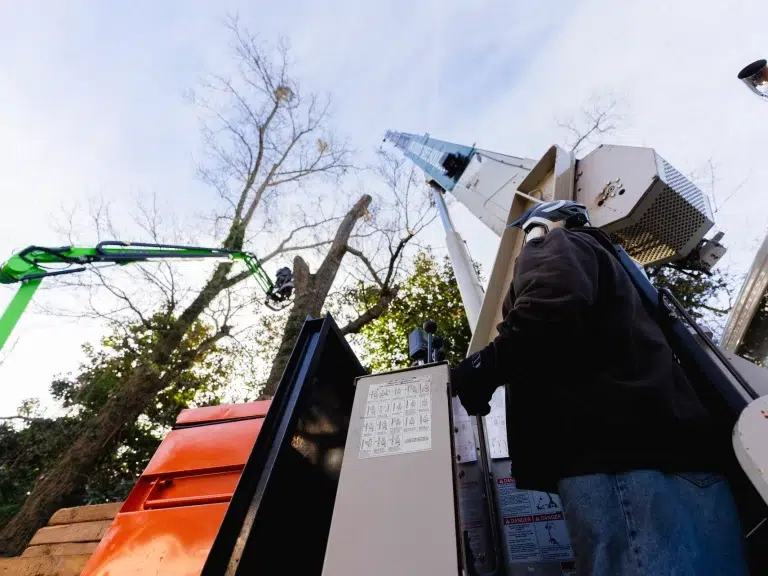
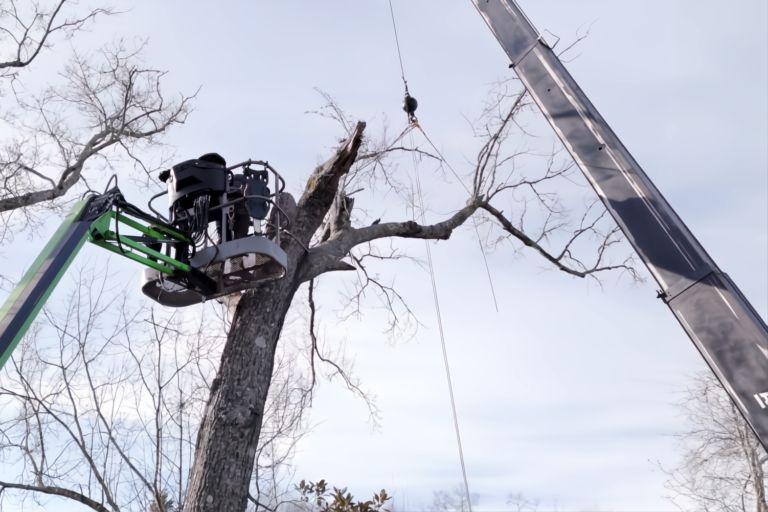
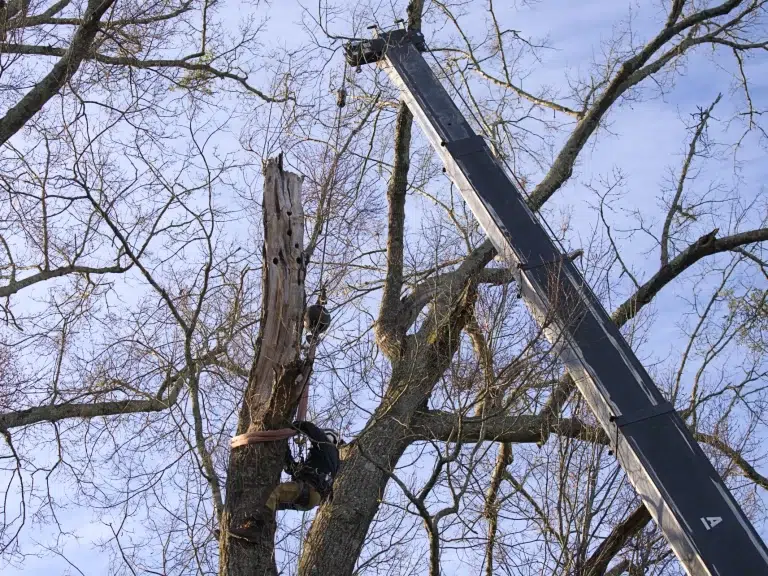
When Forsyth, GA, Properties Need a Tree Crane
Most trees can be removed piece by piece from the ground with rigging and rope work. A crane comes into play when a tree is too tall, too heavy, or positioned somewhere that climbing and roping every section isn’t practical: over a roof, above a pool, or wedged between structures with no safe path down. On a walkthrough, the crew can usually tell within a few minutes whether a job needs one.
Reviews & Testimonials





Frequently Asked Questions
When is a crane required for tree removal in Forsyth, GA?
A crane is typically needed when a tree is too tall or heavy to bring down piece by piece from the ground, or when it’s positioned over a structure, a pool, or a spot with no safe drop zone.
How much does crane-assisted tree removal cost in Forsyth, GA?
Cost runs higher than a standard removal because of the equipment, and depends on the tree’s size, location, and how much room the crane needs to set up.
What types of properties or situations in Forsyth most commonly require tree crane service?
Tight residential lots, trees positioned over a pool or roof, and trees wedged between two houses with no clear drop zone are the most common situations.
How close to a home or structure can crane tree removal be performed safely?
With the right crane placement and rigging, sections can be lifted directly over a roofline without anything being set down on it.
Is crane-assisted tree removal faster and safer than traditional tree removal in Forsyth, GA?
It’s often the safer option for high-risk placements, since it reduces the chance of a section landing somewhere unintended. It isn’t always faster, since setting up the crane adds time to the schedule.
How long does crane tree removal typically take for a residential property in Forsyth, GA?
Most single-tree crane jobs, including setup, finish within a day.
What size or condition of tree typically requires crane removal in Georgia?
Very large or tall trees, structurally compromised or dead trees where climbing isn’t safe, and any tree with no safe spot to drop sections in pieces are the usual candidates.
Subscribe to Our Newsletter
Be the first to receive special offers and tree care tips!
You will receive monthly communications from Southern Tree Solutions by submitting your email address.